4 Applications Perfect for Slug Loading
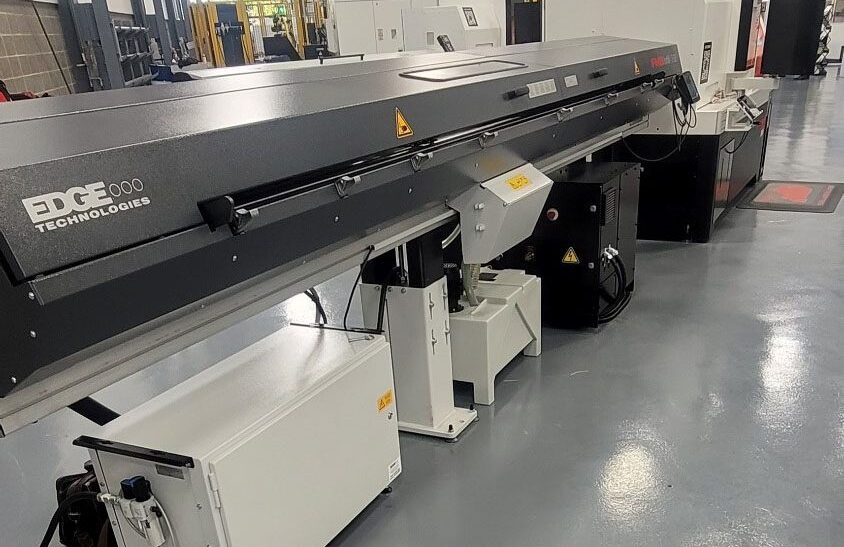
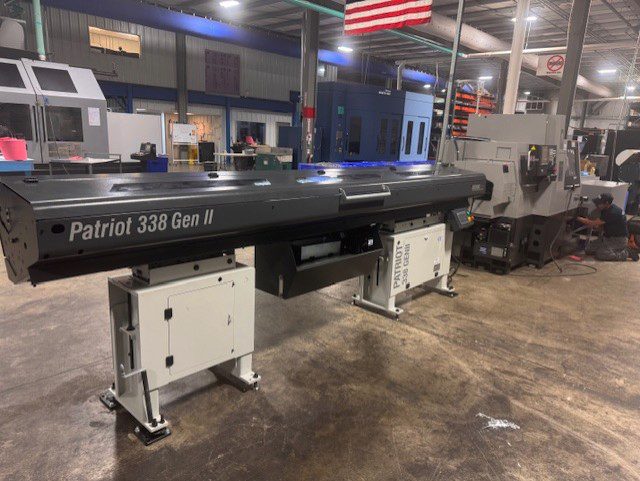
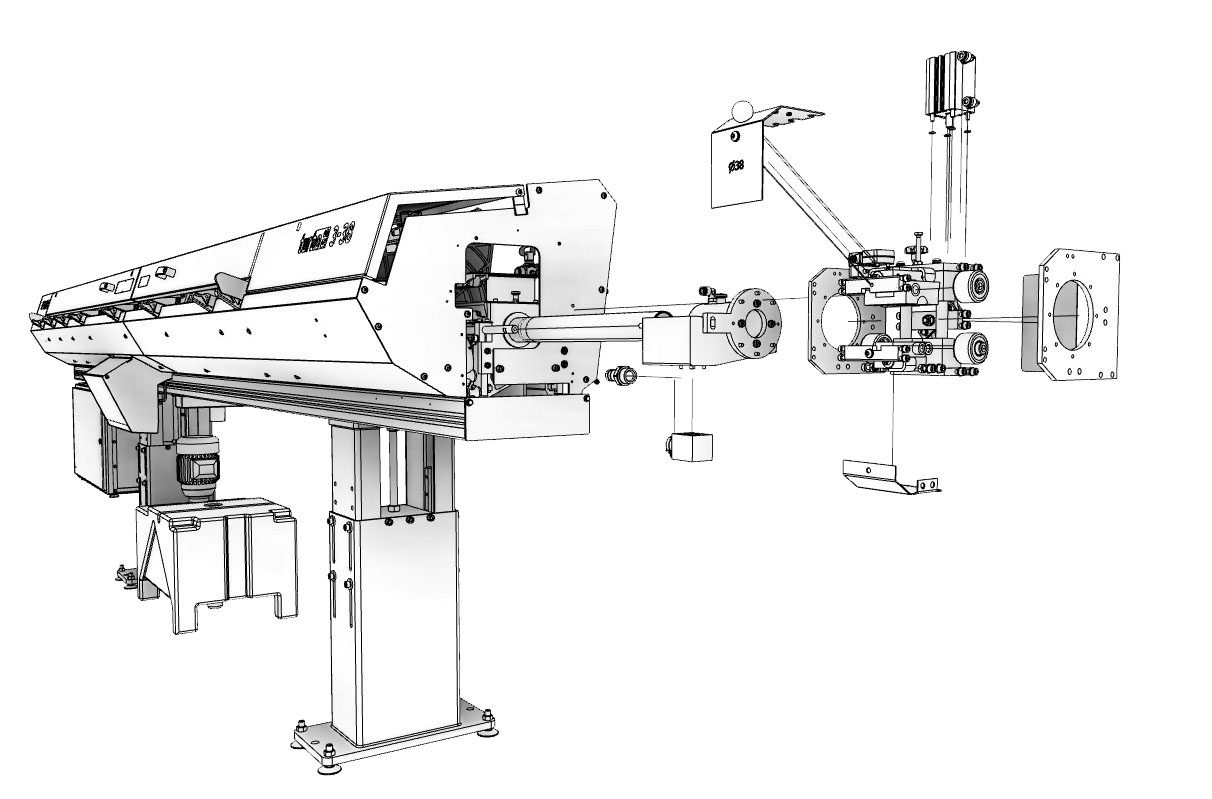
Short loaders, or spindle-length loaders, can be a very cost-effective solution. They occupy minimal floor space, don’t need to be attached to the bar stock, and don’t demand bar end preparation. Because the entire bar stock is contained within the lathe headstock, they eliminate nearly all RPM restrictions. Short bar feeders also shine in handling profiled materials or non-perfectly straight bars. When coupled with a spindle liner and customized workholding, these loaders can efficiently process various extruded shapes, such as square and rectangular bars. This versatility makes a short bar feeder suitable for unattended machining and lights out production.
Another technique that is special to short loaders, and helps to cement their value, is slug loading.
What Is Slug Loading?
Some people refer to it as hand-chuck mode or shaft loading.
Where a bar feed involves a long metal bar being fed into a machine for shaping or sizing multiple parts, a slug load involves a single, solid material piece being machined into a specific shape or size. You might think of it kind of like firing a rifle. You put in the shell, fire, pull back, get rid of the shell, then add a new shell in. In the same way, you machine a single piece, and then the next piece drops in to get machined.
The rule for slug loading is: One bar equals one part.
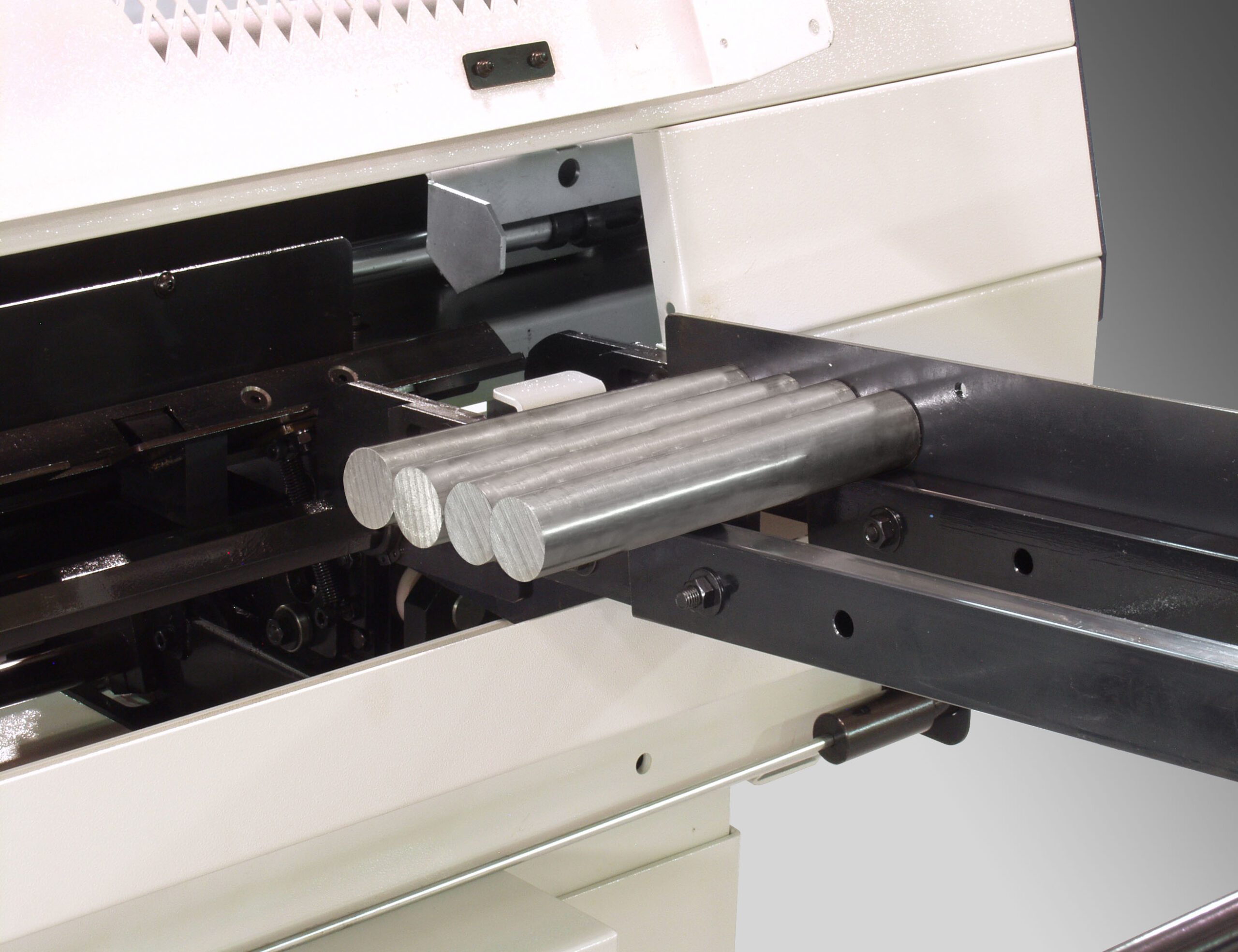
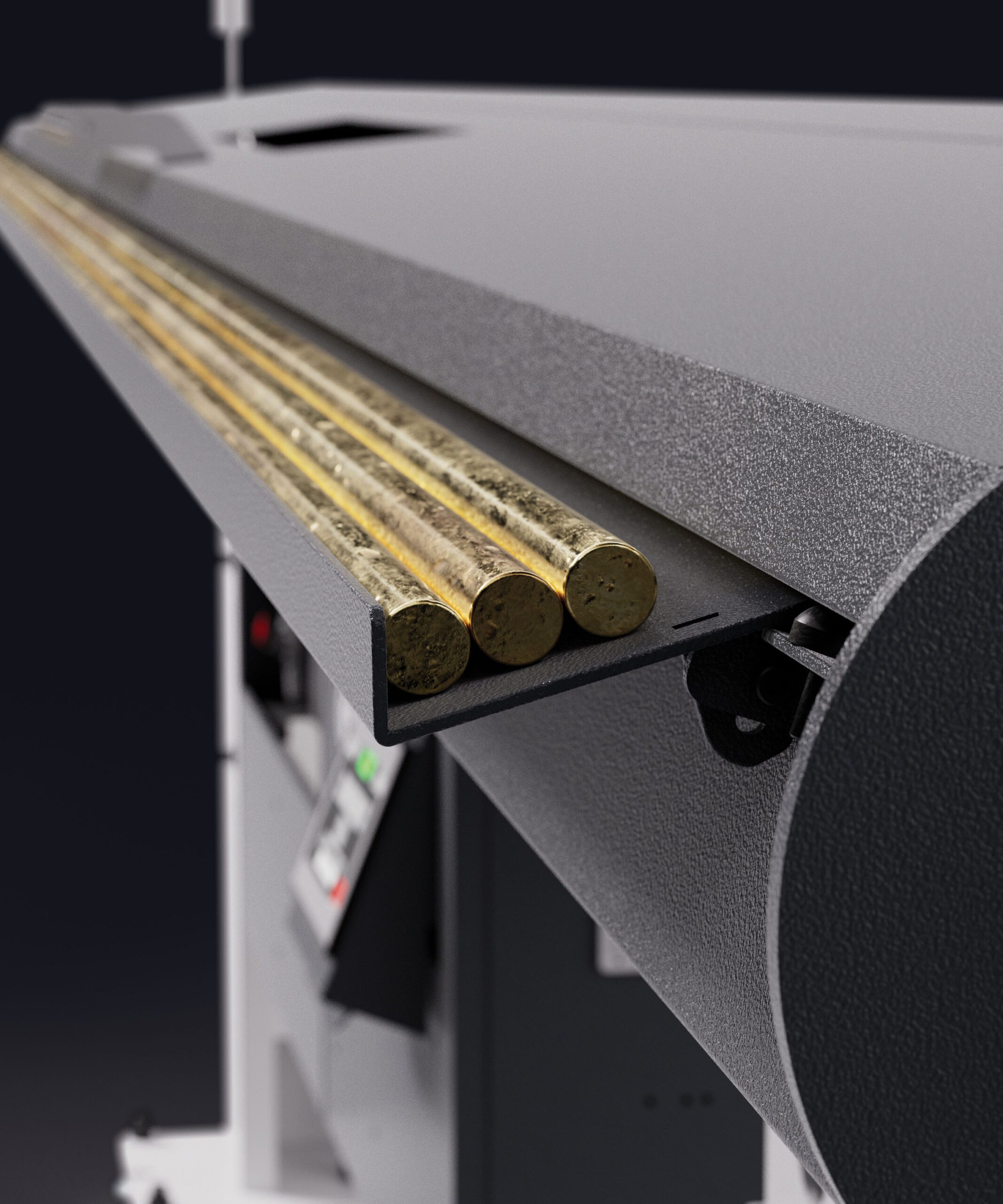
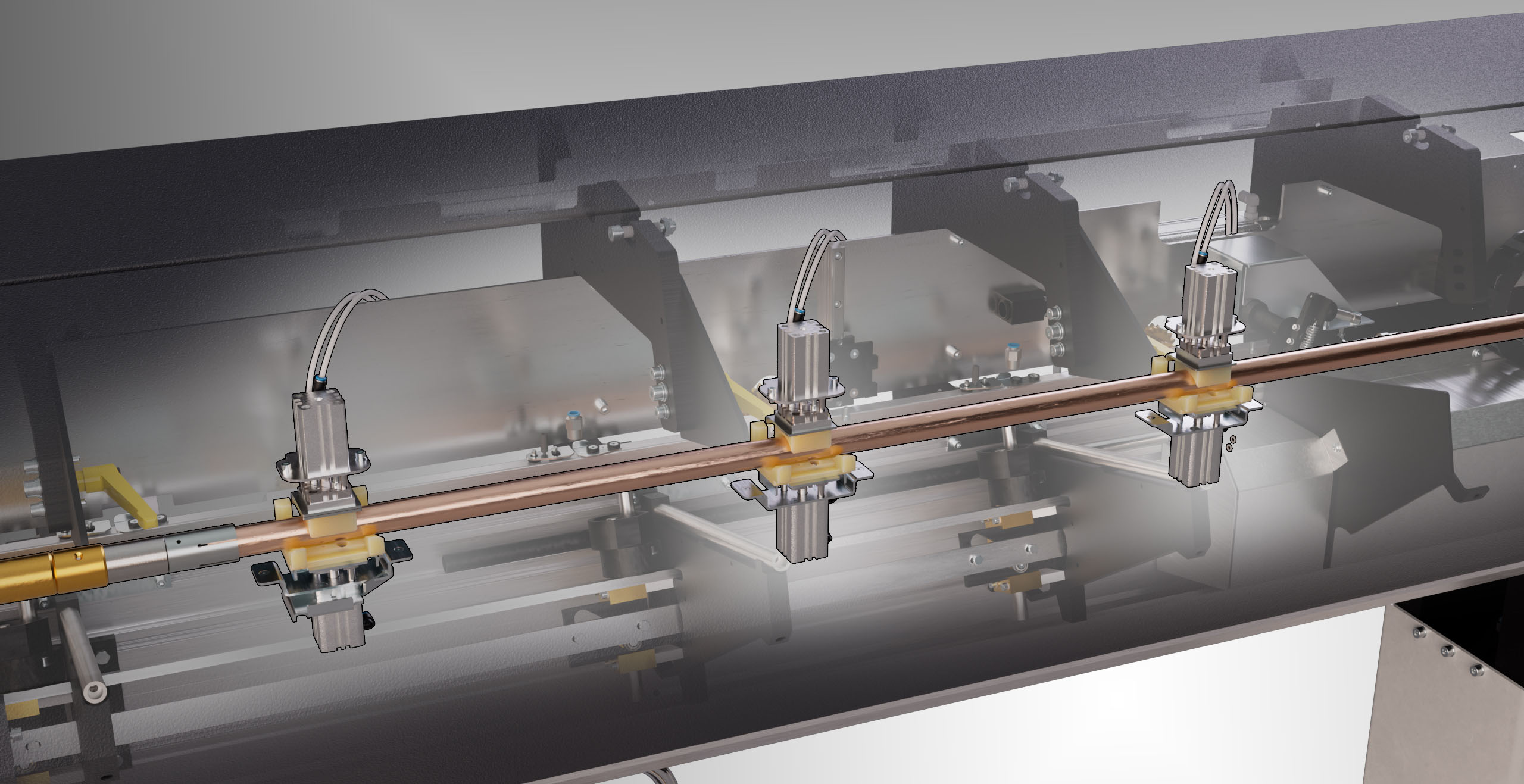
When a short loader performs slug loading, the next piece is staged in the V-tray — a holding channel in the magazine — while the current piece is still being machined. When the cycle completes, the pre-feed pusher (the mechanism that advances material from the magazine into the spindle liner) loads the next piece automatically. This staging process reduces changeover time from approximately 30 seconds to around five, without requiring the operator to be present.
The operation is only performed on a short loader, because the short loader is programmed to push things into a spindle and stop when told to.
Slug loading is also referred to as hand-chuck mode or shaft loading depending on the machine builder or shop — all three terms describe the same one-piece-at-a-time loading process.
4 Applications for Slug Loading
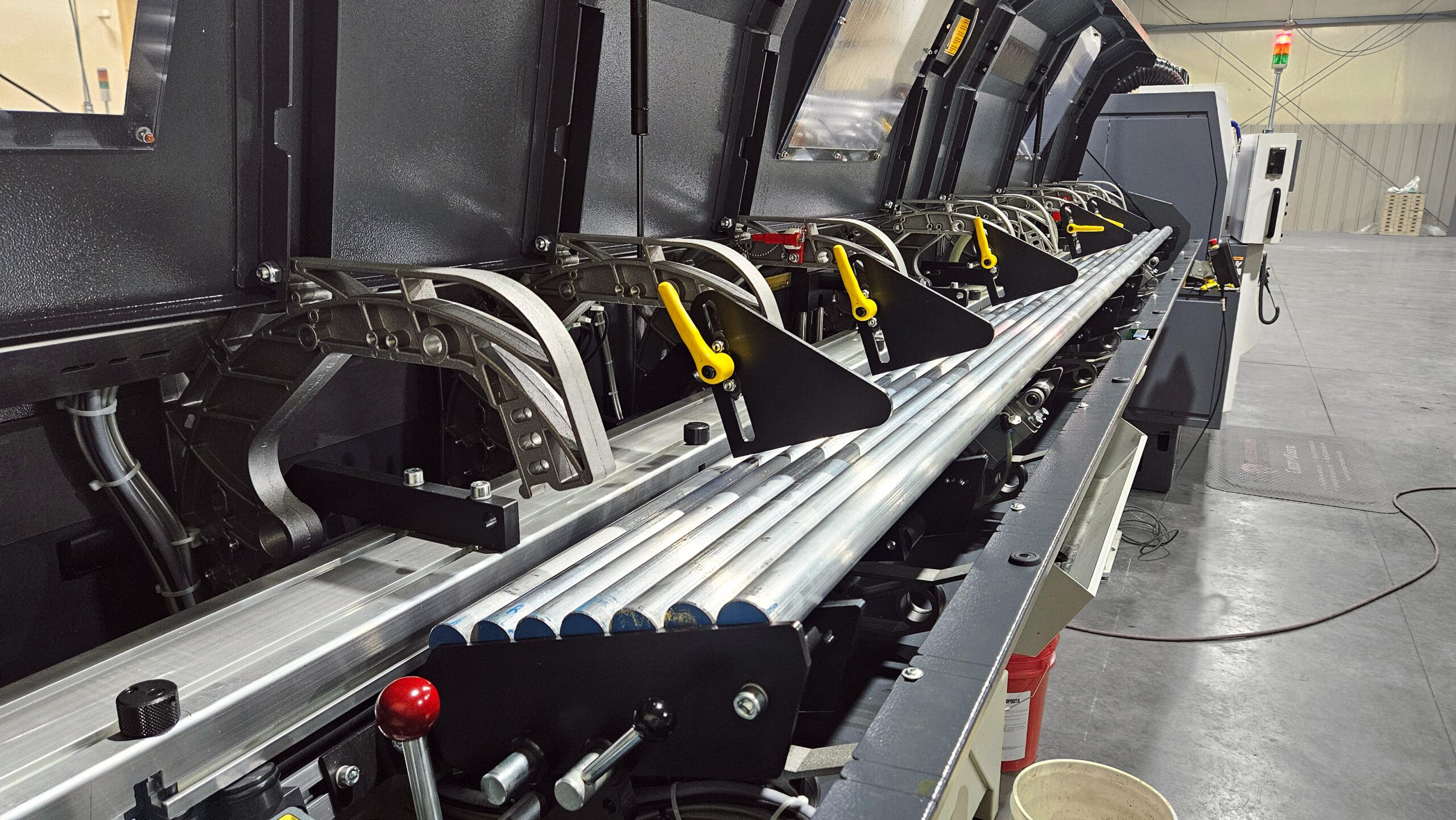
1. Making the most out of your 12′ bar feeder’s remnants.
Short loaders can also extend the value of a 12-foot bar feeder by handling its remnants — the leftover bar ends that are too short to run through the full-length feeder. Rather than scrapping these pieces, shops can cut them to a consistent slug length and run them through the short loader, producing additional parts from material that would otherwise be discarded. The minimum viable remnant length will depend on the part geometry and the specific short loader model in use.
2. Performing a second operation on an already-completed part
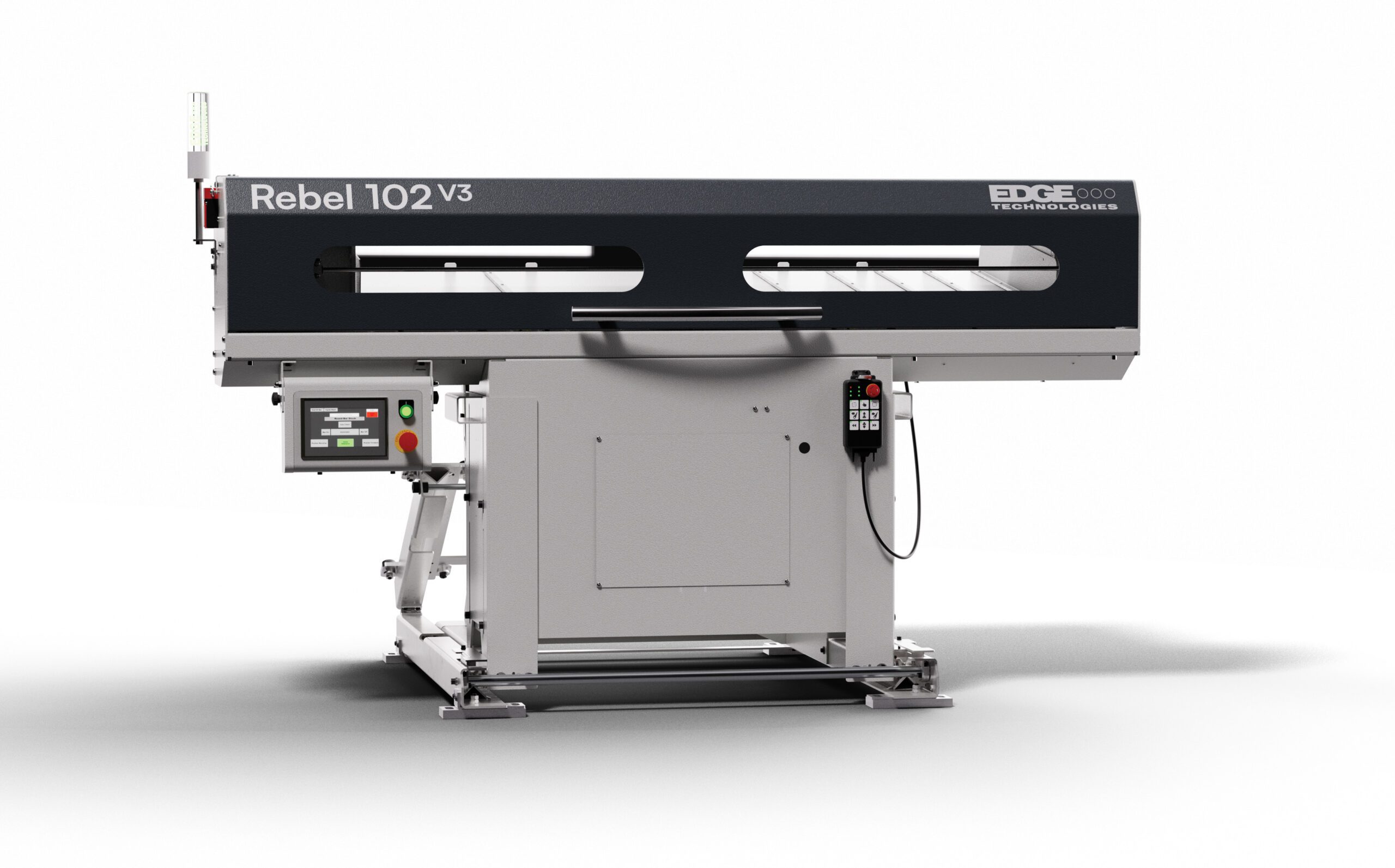
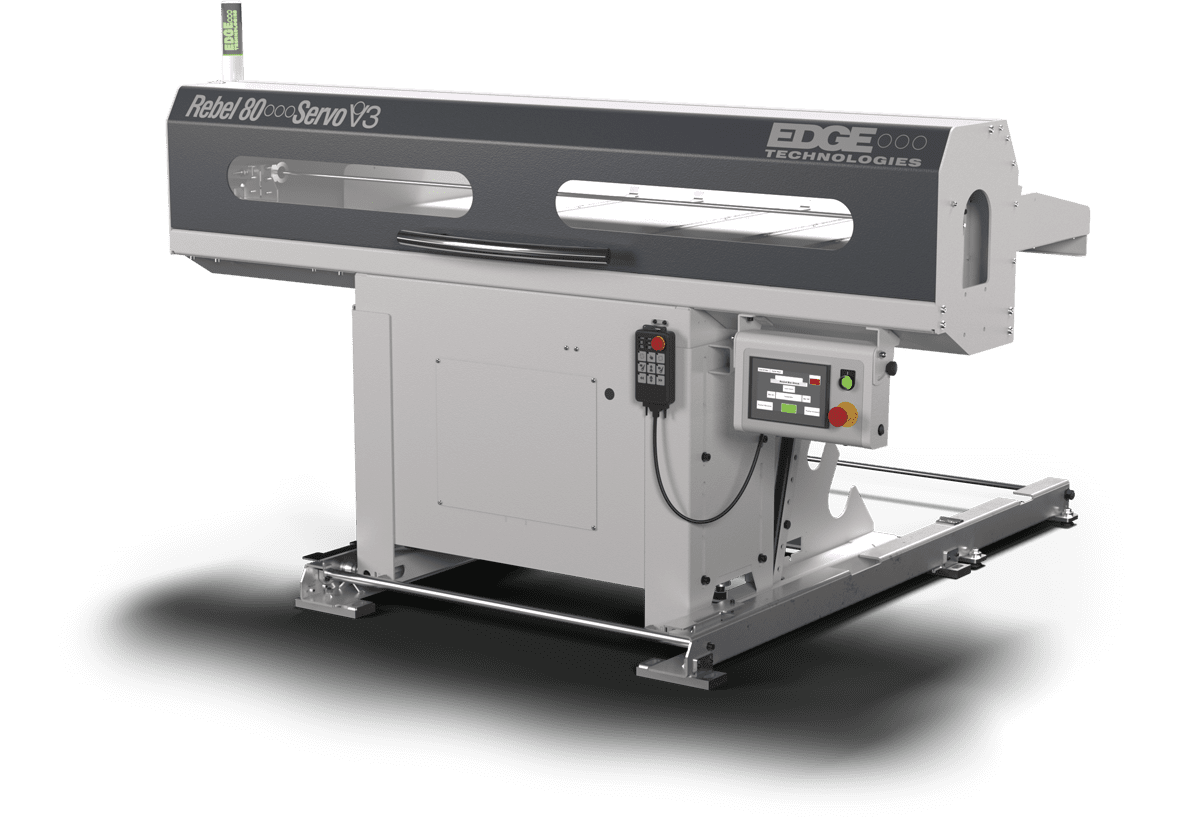
Let’s say you have a gear box that’s already been machined, and you need to perform a second operation on it — drilling a hole into one side of the gear box, a lightning fast operation. Simply set the completed gear box pieces on the Rebel 102 magazine and have them feed in. Rather than making the Rebel 102 perform bar changes for each bar, which can take up to 30 seconds (perhaps as long as the machining itself!), the short loader performs the operation, then has the next part push in its place, ready to go. The only time it takes is the time to push the bar from the v-tray to the spindle liner.
3. Working with material that’s already been cut to length
We’ve helped shops who worked with pressed brass that was not physically available as a 6’ bar. Rather, the customer would buy 8” pieces, and slug load each individual piece.
4. Working with challenging materials
Slug loading is well-suited for challenging, high-value, or hard-to-source materials such as stainless steel, titanium, chromed stock, or pre-polished glass bar. Because each piece is loaded and machined individually — rather than fed continuously from a long bar — only the necessary material enters the machining process, reducing both waste and the risk of damaging expensive stock during feeding.
Is a short loader for you? Edge Technologies can guide you.
Slug loading is one specialized technique available on Edge Technologies’ Rebel 80 Servo V3 and Rebel 102 short loaders. Because slug loading eliminates bar changes — which can take up to 30 seconds each, sometimes as long as the machining operation itself — it is particularly well-suited for high-mix, low-volume work, second operations on already-completed parts, and applications where material is purchased pre-cut rather than in full bar lengths. The technique is programmed directly into the machine’s HMI (the touchscreen control panel operators use to set up and run part programs), making it a built-in capability rather than a workaround.
Are your parts pre-cut to length? Are you running second operations on completed parts? Is your material unavailable in standard bar lengths? Are you generating significant remnant waste from a full-length bar feeder? If you answered yes to any of these, slug loading may be for you!