Why 2nd End of Bar May Be Exactly What You Need for Your Applications Running Longer Parts
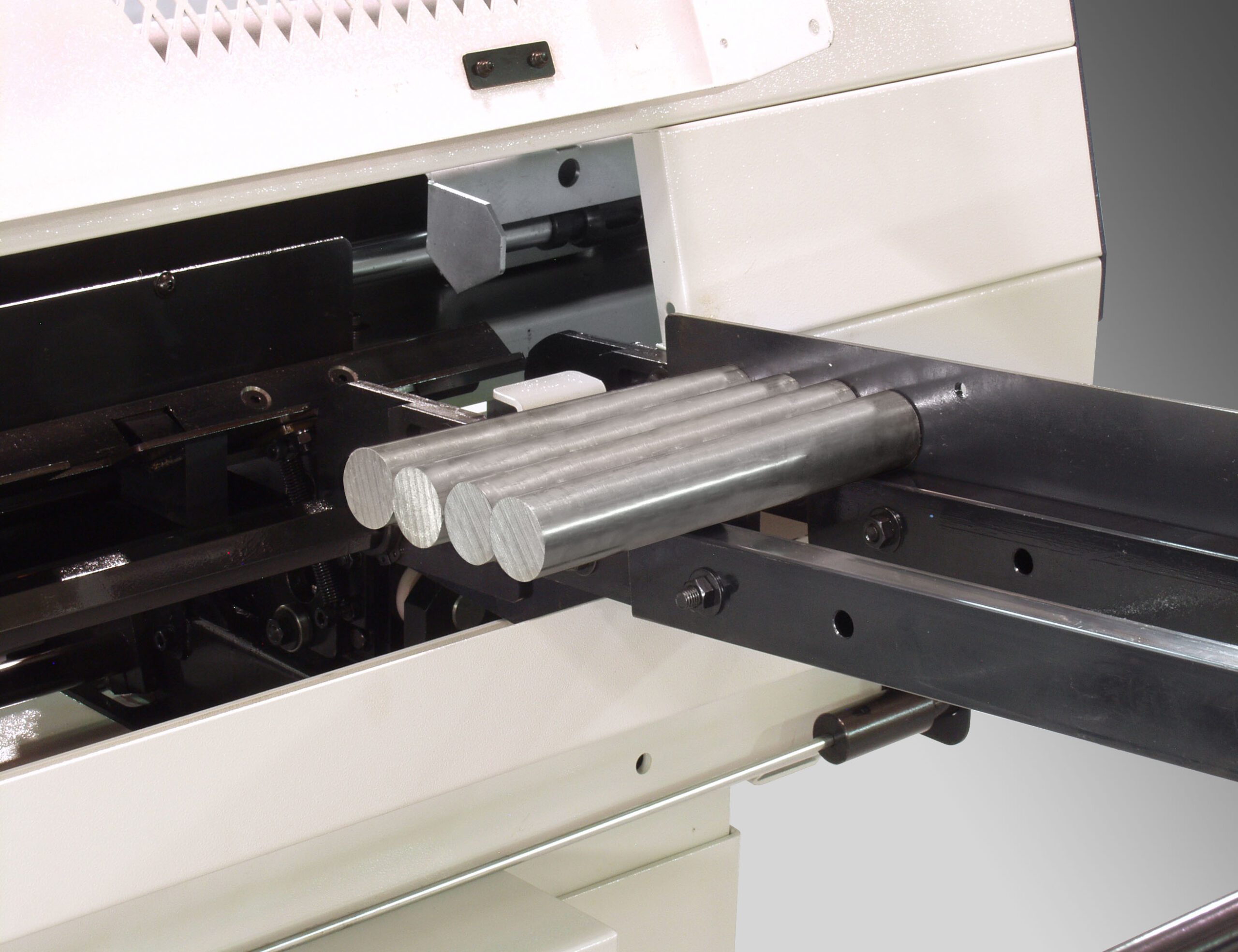
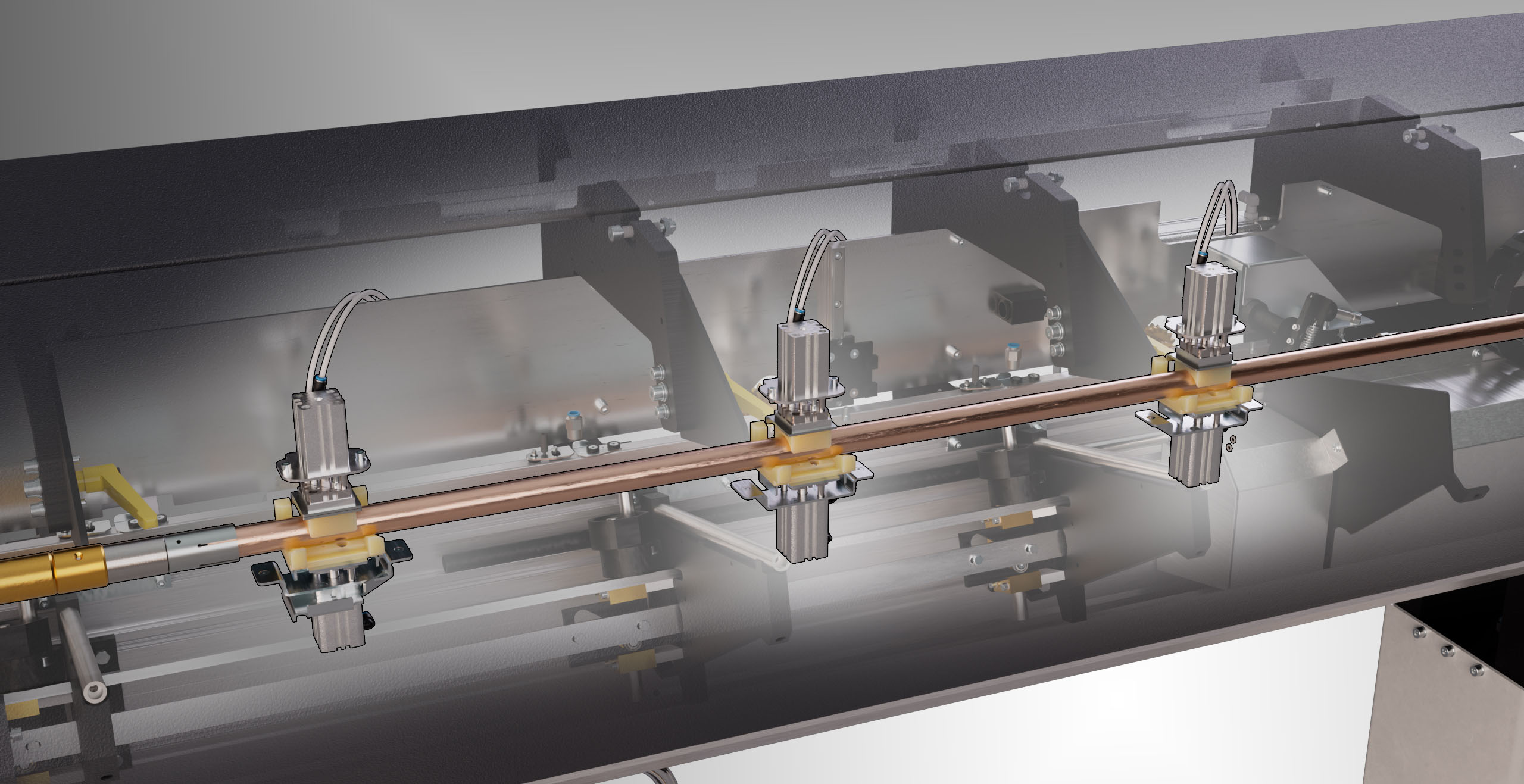
Since 2025, we’ve seen an increase in shaft work – more shops making longer parts. 2nd End of Bar (also referred to as EOB protocol or end-of-bar programming) is an advanced bar feeder customization that eliminates oversized remnants by automatically switching to a smaller part from the same family when the primary part run is complete. Rather than stopping production when the bar is too short for the main part, the bar feeder detects the remaining material length, changes its EOB signal — the trigger that tells the lathe the bar is nearly exhausted — and queues a smaller part from a pre-programmed family that fits within the remaining stock. The result is a remnant that is as small as practically possible, rather than one that is simply too short for the primary part but too long to discard without waste.
Here’s a concrete example of how 2nd End of Bar works in practice: A shop is turning 12-foot bars to produce 18-inch parts. After accounting for cutoff tool width (the material consumed when the lathe separates each finished part), facing width (the small amount removed to square the end of each part), and regrip length (the material the chuck must grip to hold the bar securely), a 12-foot bar yields exactly seven 18-inch parts — leaving a remnant of just over 12 inches. Without 2nd End of Bar, that remnant is either scrapped or set aside. With it, the bar feeder recognizes that the shop also produces 7-inch and 10-inch parts in the same family, switches automatically to the 7-inch program, and machines one additional part from the remaining stock before the bar is exhausted.
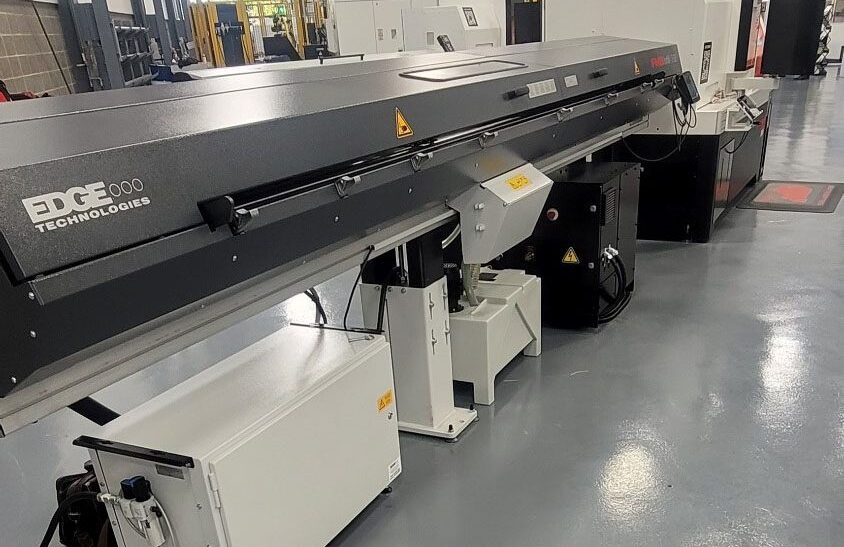
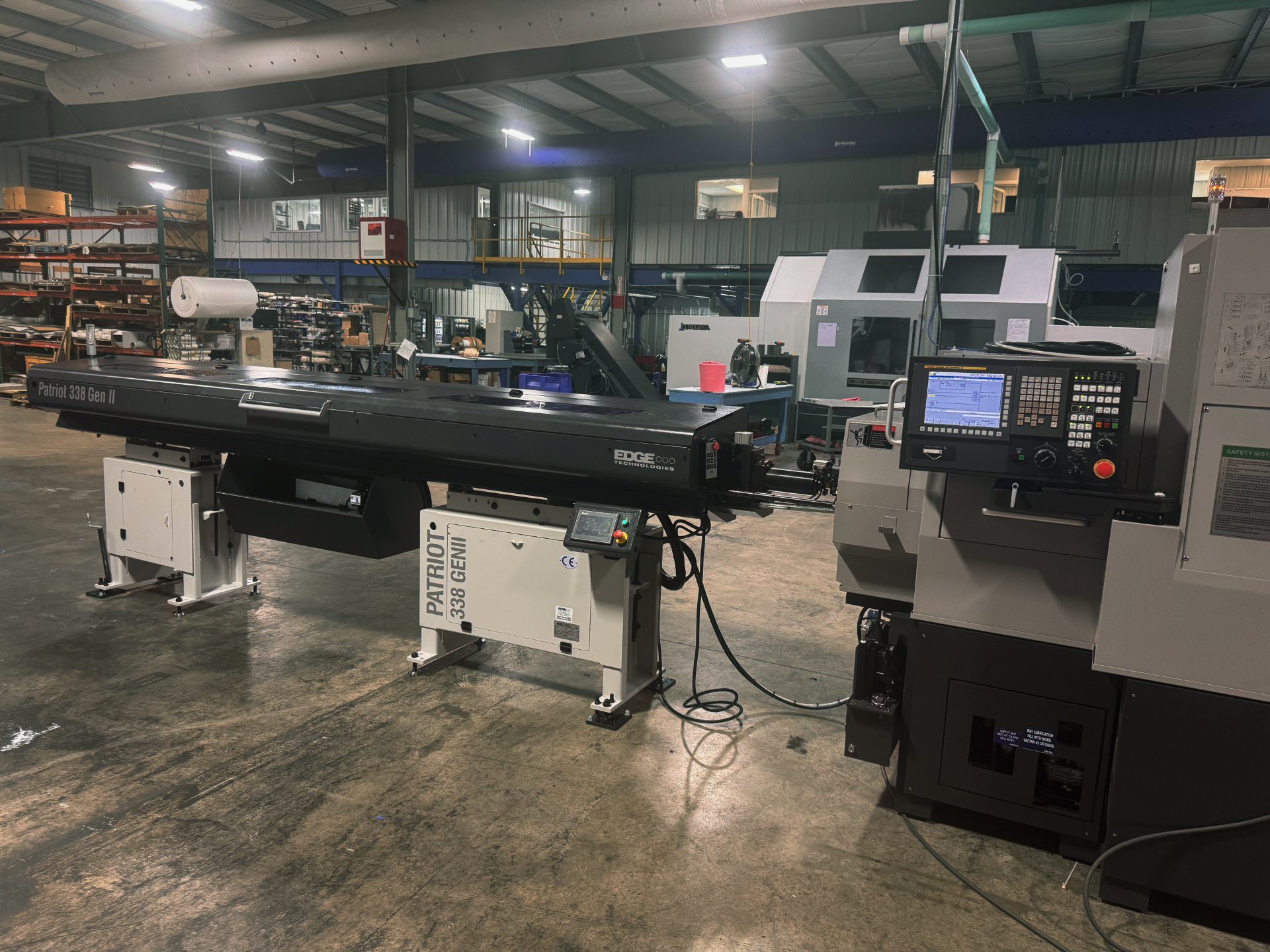
2nd End of Bar protocol is an advanced customization that Edge Technologies can provide on our bar feeders. Standard end-of-bar protocol simply stops the run and signals a bar change when material is exhausted, while 2nd End of Bar instead checks remaining length against a library of family parts and continues production if a smaller part fits.
2nd End of Bar delivers the most measurable value when working with expensive or hard-to-source materials. On a 12-foot bar of titanium or stainless steel — where material cost per foot can be significant — a remnant of 12 inches or more represents a meaningful portion of that bar’s value. By automatically producing a smaller part from the same family rather than leaving an oversized remnant, 2nd End of Bar recovers material that would otherwise be scrapped or sit in inventory indefinitely. For shops running high-mix families of shaft work in costly alloys, this can compound into substantial savings across a production week.
2nd End of Bar is worth evaluating if:
- You produce a family of parts with meaningfully different lengths
- Your primary part run consistently leaves remnants too long to discard
- You work with expensive alloys where remnant value is significant
- Your bar feeder supports programmable EOB signal switching