How Does the Bar Feeder Load Random Length Bar Stock?
Imagine you got bar stock from your suppliers that came at random lengths. Or you have materials left over or didn’t use a full bar, and you want to use that in the future. Maybe you want to make the most of your remnants.
How does the bar feeder load random length bar stock?
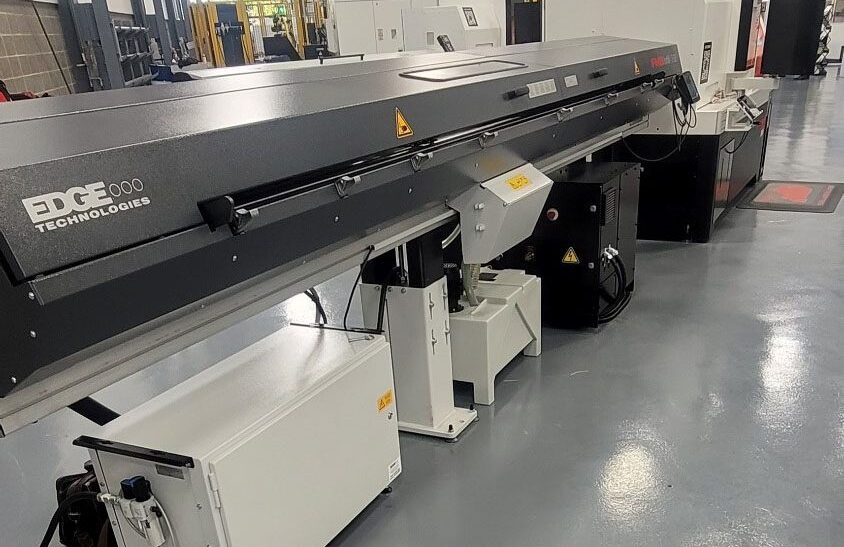
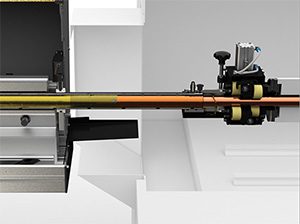
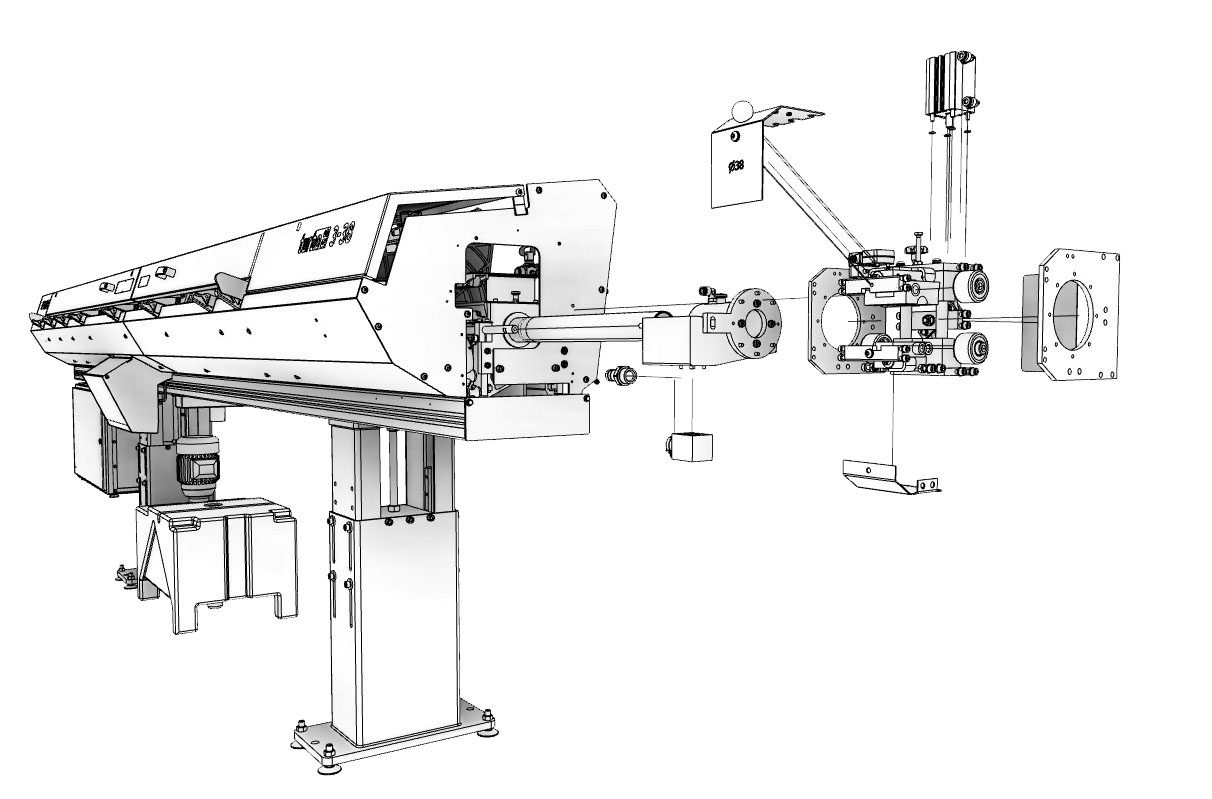
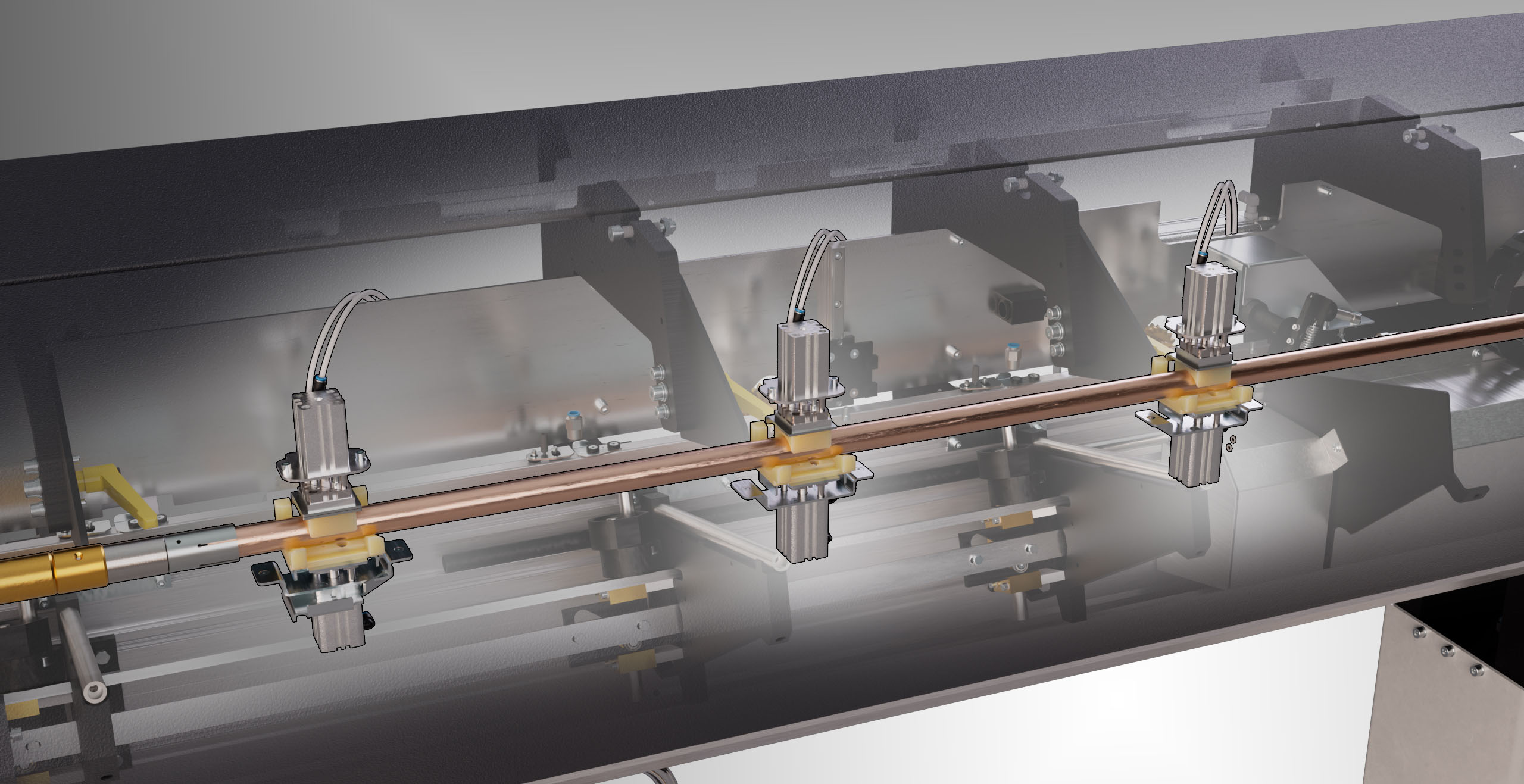
Edge Technologies’ bar feeders use a pusher-and-measurement-flag system to automatically detect each bar’s individual length at the start of every cycle, eliminating the need to pre-cut material to uniform lengths. The pusher uses an encoder to know where its position is. It advances the bar until it trips the measurement flag. When it gets tripped, the pusher/encoder knows where it’s at for its end-of-bar signal and gives you an accurate measurement.
This approach reduces material scrap by maximizing usable bar length on every run. Because each bar’s end-of-bar signal is calculated individually, the feeder knows exactly when material is nearly exhausted — enabling reliable lights-out machining without manual intervention.
Check out this video this see the measurement flag in action:
Bar feeders designed for random length bar stock use a pusher-and-measurement-flag system to automatically detect each bar’s individual length at the start of every cycle, eliminating the need to pre-cut material to uniform lengths.
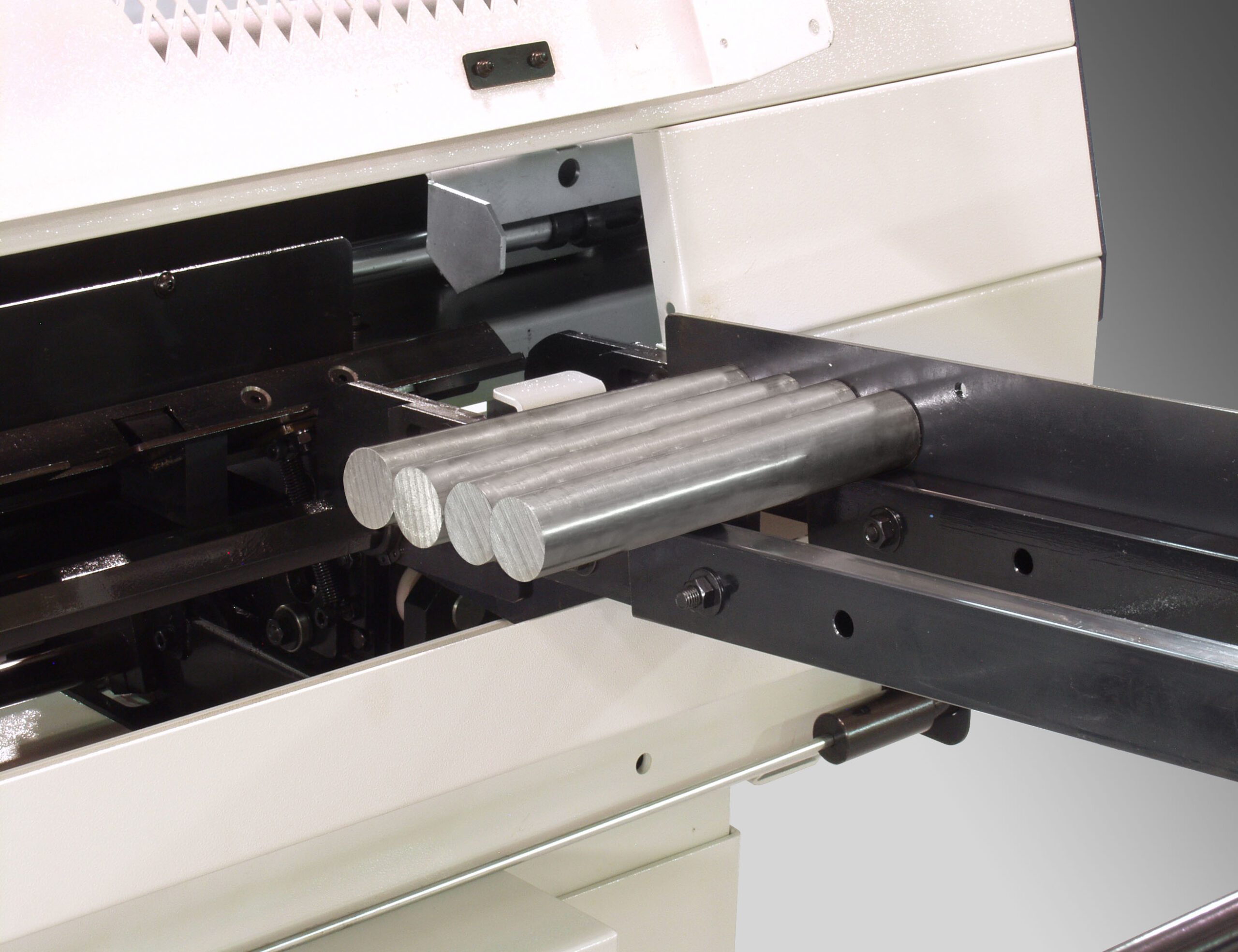
For consistent feeding and safe operation, bars must be a minimum of 36 inches in length. Bars shorter than 36 inches risk dropping into the remnant tray before the pusher completes its feed cycle, which can interrupt automation and require manual reset.
Every bar is held in the same spot of the guide channel set by the gripping fingers, giving all material the same starting position. The pusher presses the collet on at this position and advances the bar until the measurement flag is hit. The bar feeder calculates the position of front of bar and pusher for the O.A.L.
Edge Technologies’ pusher/measurement flag system supports bars of varying lengths in a single production run. Rather than standardizing to one cut length, operators can feed remnants and partial bars alongside full stock — reducing material waste and expanding the usable inventory from each order.